What I’ve Learned About Strength, Simplicity, and Preparing for the Mountains
Over the last seven years, I have tried to challenge myself in the mountains - to feel better, move better, and go lighter. One of my favourite sayings has become a kind of training philosophy for me: “Prepare until the game feels easier.”
The mountains have not become easy. They never should. But with better preparation, the work can feel more manageable, more purposeful, and more sustainable - especially when you are balancing big goals with life as a wife and mum of three.
Those who have worked with me along the way know how much I care about getting better: refining movement patterns, choosing the right gym work, making smarter gear decisions, finding nutrition that actually supports the mission, and then integrating all of it into real life. I am obsessed with good movement and purposeful strength work. But perhaps more than anything, I have become obsessed with simplifying.
The biggest shift: from more to better
When I first returned to serious training after having my three girls, I thought progression meant adding more: more sessions, more exercises, more intensity, more complexity. Seven years of intentional strength training later, I see it differently.
Progress is not always a heavier barbell, a fancier exercise, or a longer workout. Often, it is:
Moving through a fuller range with more control
Feeling smoother and more stable under load
Recovering better between sessions
Breathing better when the work gets uncomfortable
Being able to repeat quality effort, day after day
Understanding what your body needs—not just what social media says you should do
The “soft skills” of strength training are invisible to everyone else, but you feel them in every rep: awareness, patience, coordination, confidence, and the ability to adapt. That is where real progression lives.
What matters in strength work
For high-altitude missions, strength is not about looking like a bodybuilder or chasing a one-rep maximum. It is about building a body that can carry a pack, ascend for hours, stay stable on uneven terrain, absorb fatigue, and still have something left for the descent.
The things that matter most to me now are refreshingly SIMPLE:
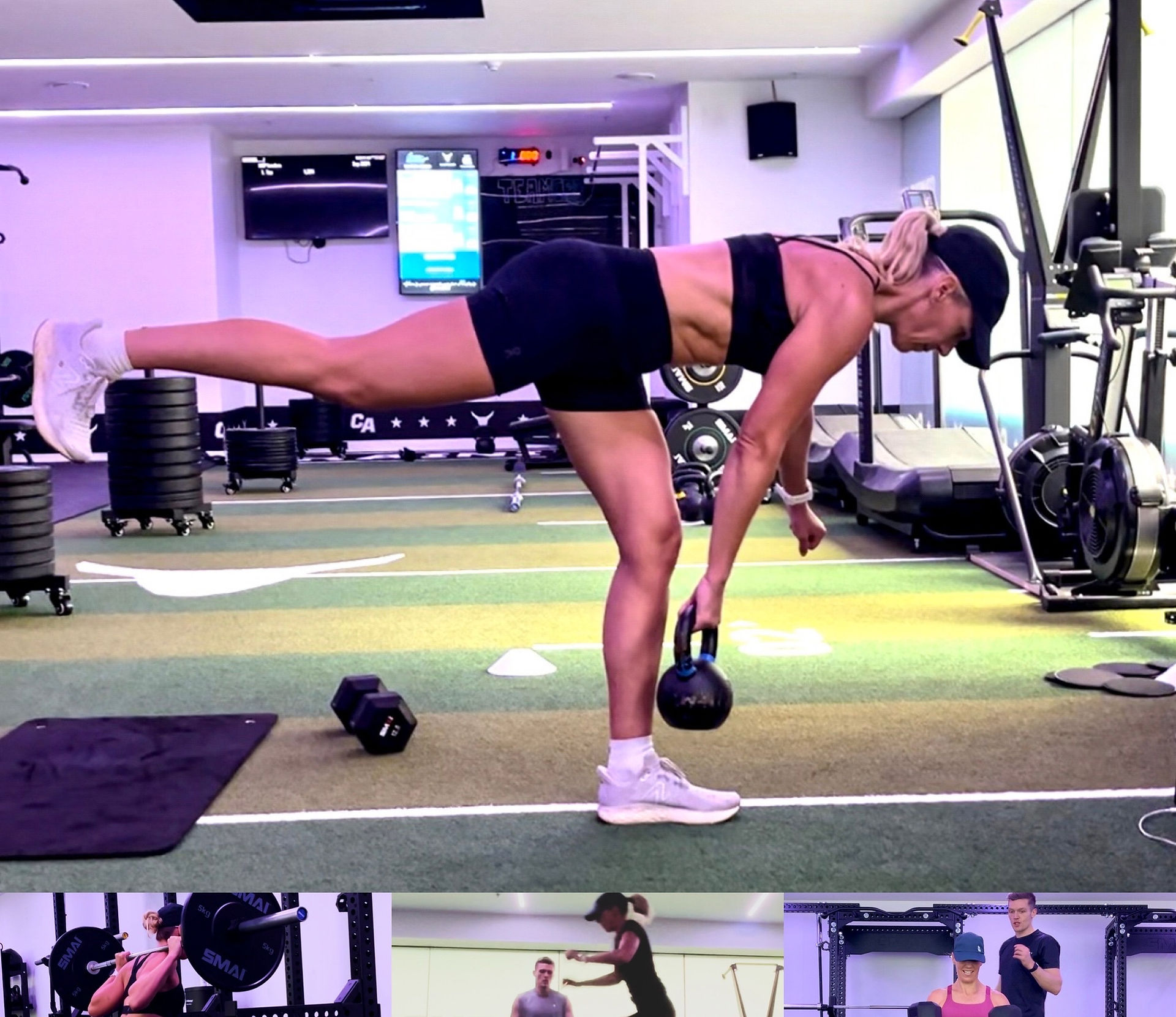
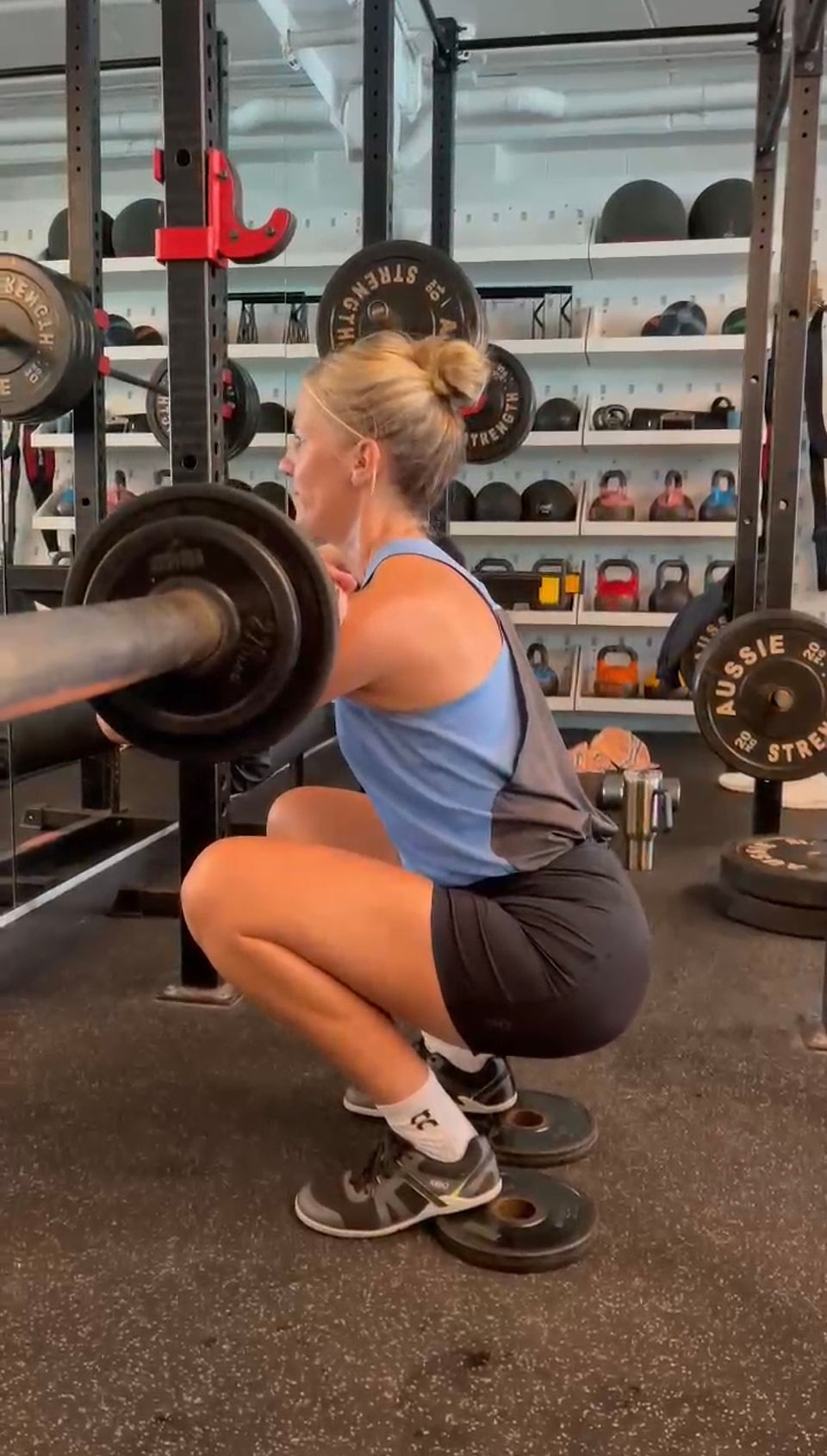
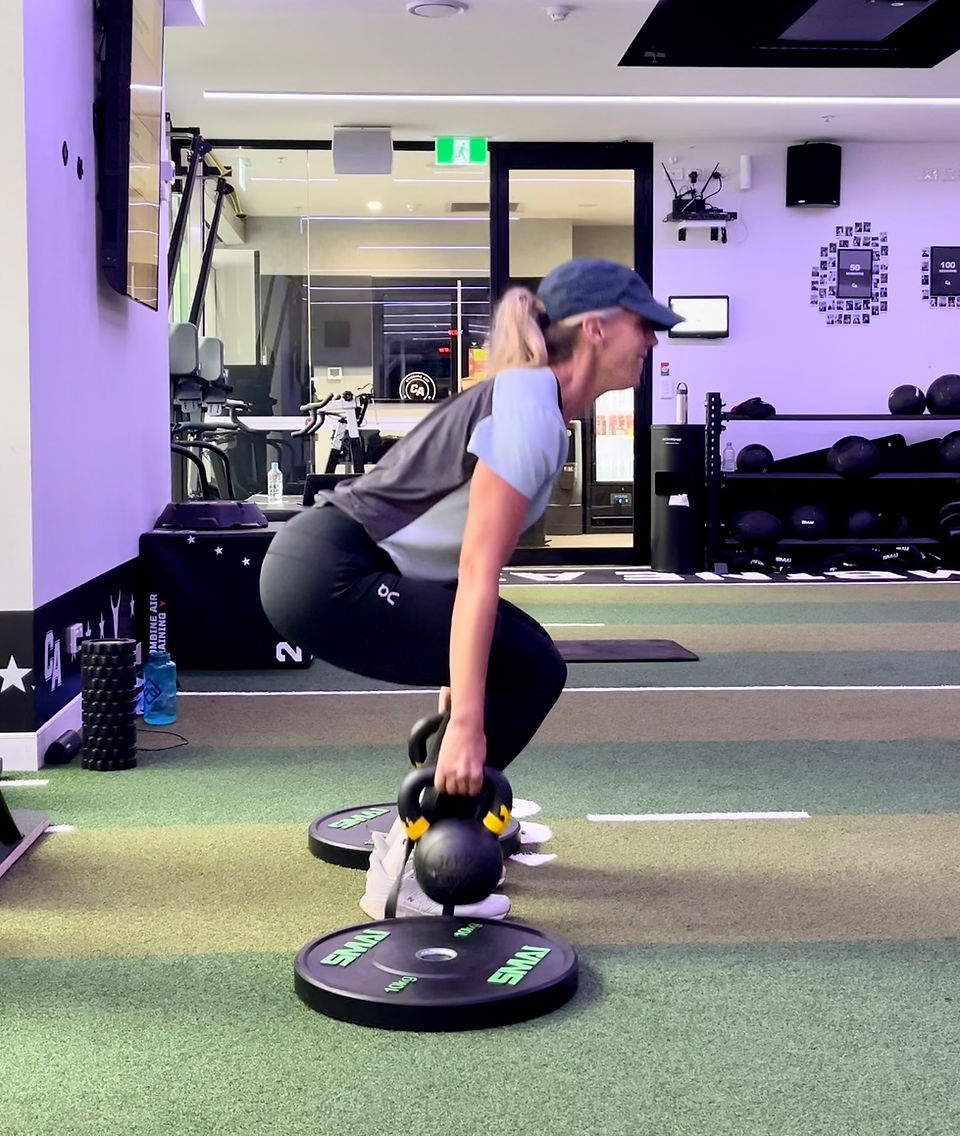
Full-range, controlled movements — squats, hinges, lunges, step-ups, presses, pulls, carries. Quality before load.
Strong legs and hips — they are the engine for uphill travel, downhill control, and long days in the mountains.
Trunk stability — not for aesthetics, but for keeping your ribcage, pelvis, and spine organised while carrying load and moving efficiently.
Muscular endurance — the ability to keep producing force when you are tired, cold, under-fuelled, and still hours from camp.
Carries and loaded work — because mountain days are essentially repeated loaded movement.
Recovery and consistency — the unglamorous factors that determine whether training actually accumulates.
I have learned that a well-chosen squat, hinge, lunge, pull, press, and carry can do more for an athlete than a complicated program full of exercises that look impressive but do not transfer to the mountain.
What does not matter as much
This has been one of the hardest lessons: letting go of what does not genuinely serve the goal.
I used to feel that if a session was not hard enough, long enough, or “advanced” enough, it did not count. Now I know that much of that is noise.
What matters less than I once believed:
Chasing soreness as proof of a good session
Adding volume simply for the sake of it
Training to exhaustion when fatigue is already high
Making the gym more complicated than it needs to be
Comparing your program, body, or progress to someone else’s
A session that leaves you able to train again tomorrow, sleep well, parent well, and keep showing up is often more valuable than one that wrecks you for a week.
Simplifying the approach
Simplifying does not mean doing less that matters. It means removing what does not matter so the important work has room to grow.
My approach has become more streamlined:
Master the basics. Squat, hinge, lunge, push, pull, carry.
Train the movement, not just the muscle. Ask: does this help me move better with a pack, uphill, downhill, and under fatigue?
Use progressive overload intelligently. Add load, reps, time under tension, range, or density—but only when quality remains high.
Build endurance in the right places. Long isometric holds, sled work, step-ups, carries, and controlled tempo work can all support mountain-specific durability.
Protect recovery. Sleep, food, mobility, and honest self-assessment are part of the program—not extras.
Keep it repeatable. The best plan is the one you can sustain through school runs, travel, work, family life, and training blocks.
For example, a simple finisher of sled pulls and wall sits can be highly effective: the sled builds dynamic lower-body endurance, while the wall sit develops sustained quad and glute capacity. It is not glamorous, but it transfers.
Preparing for high altitude
High-altitude mountaineering asks for more than fitness. It asks for resilience - physical, mental, and logistical.
Strength work prepares the body, but preparation also means learning how to manage cold, hydration, fuelling, gear, pacing, breathing and decision-making.
On an 8,000-metre objective, the smallest details matter: warm feet, dry insulation, enough calories, disciplined pacing, and the ability to stay calm when conditions change (aka breathing!)
My gym work is not separate from that. It is the foundation that makes everything else possible. Strong legs help me move efficiently.
A stable trunk helps me carry load well.
Muscular endurance helps me keep going when the day becomes long.
And a simpler, more sustainable training approach helps me arrive at the mountain healthy- not depleted.
The real win
After seven years of strength training since becoming a mum, the biggest win is not just the extra muscle or the stronger legs - though I am proud of both. It is the understanding that strength is a long game.
It is being capable in daily life. It is modelling resilience for my girls. It is having the physical capacity to chase dreams that once felt impossibly far away. And it is knowing that when the mountain gets hard, I have already done the work to make the game feel a little easier.
Not easy. Just easier.
And that is progression.







Comments